
 by
by 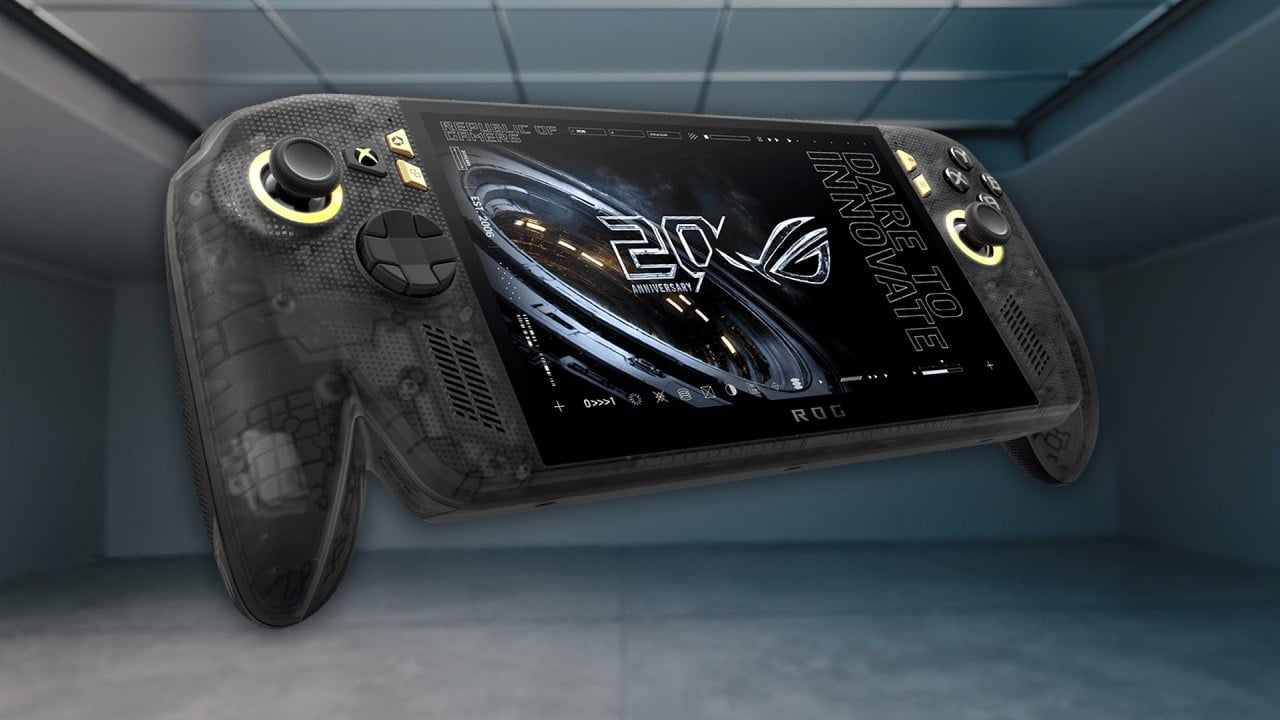
The Asus ROG Xbox Ally X20 is here and it's the handheld many will have been waiting for. A year ago, we lauded the original ROG Xbox Ally X as the best PC mobile hardware on the market and while Intel's Arc G3 Extreme and AMD's Strix Halo may have something to say about that on the performance side, the new X20 delivers the crucial missing component - an excellent OLED display. However, with a $300/£400 price premium for the new model over the old, the X20 is destined only to find a more limited audience.
Let's be clear though: the screen itself is beautiful and genuinely game-changing in much the same way that Switch OLED comprehensively bested its LCD stablemates. It ticks every box I wanted: the perfect blacks, the infinite contrast, the improved motion clarity, the eye-searing HDR highlights (a max 1400 nits). Resolution remains at 1080p, which is absolutely fine, while the VRR window expands to encompass 30Hz to 120Hz. At 7.4 inches, it's also subtly but noticeably larger than the original Ally screen, so there are no drawbacks here - it's a net win in every dimension and clearly the star of the show.
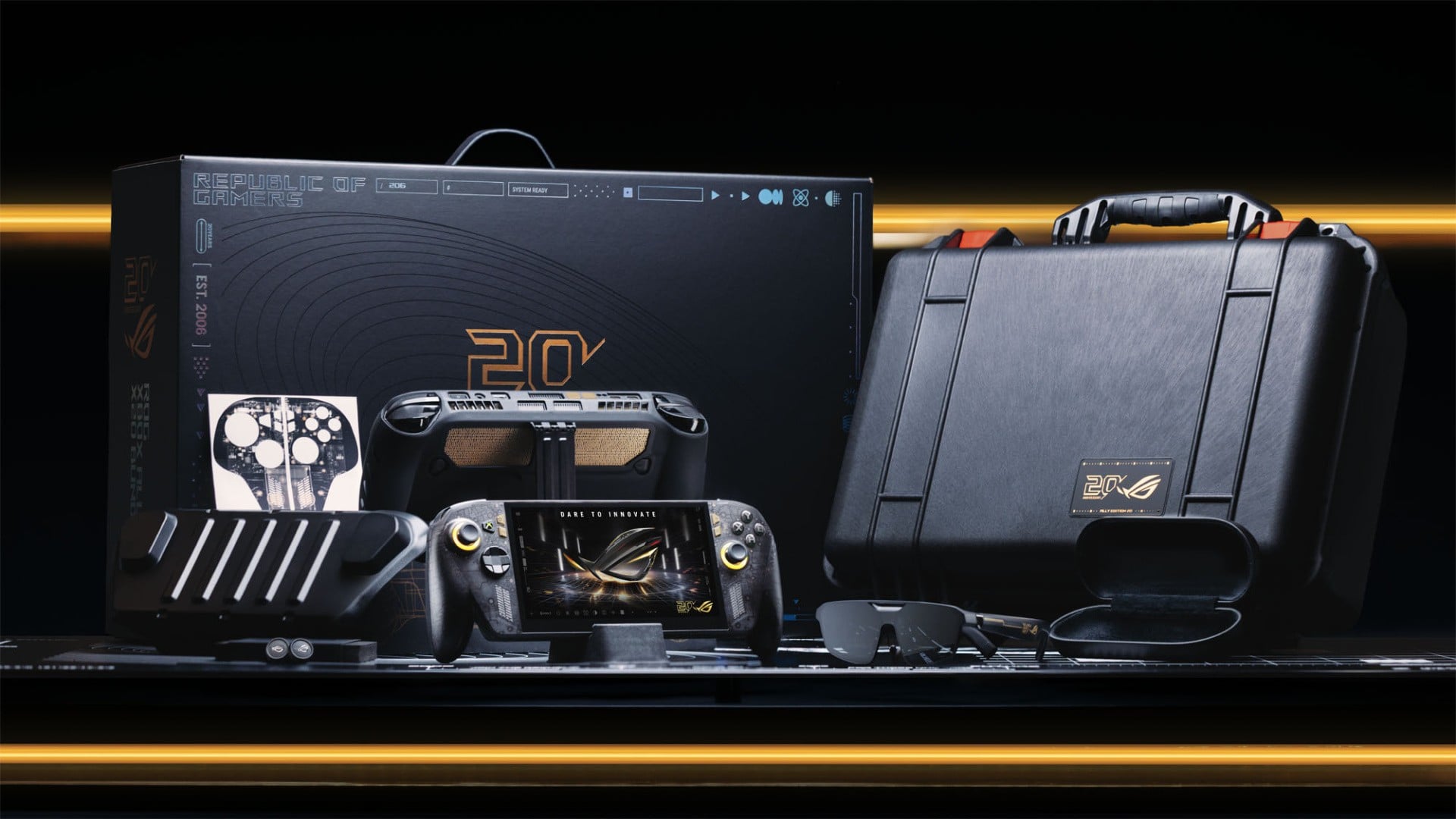
There are other improvements, but they are more muted and focused on aesthetics and improved input devices. Asus aims to address stick drift by including tunneling magnetoresistance (TMR) sensors on the analogue sticks, a rotating d-pad switches between four-way and eight-way input, while the face buttons are ever so slightly reshaped to feel more in line with the casing when depressed. To be honest, d-pad aside, I struggled to notice any difference, but the elimination of stick drift can only be a good thing. Beyond that, it's all about the casing, with gold accents and a new pattern to celebrate the 20th anniversary of ROG - hence the X20 naming.
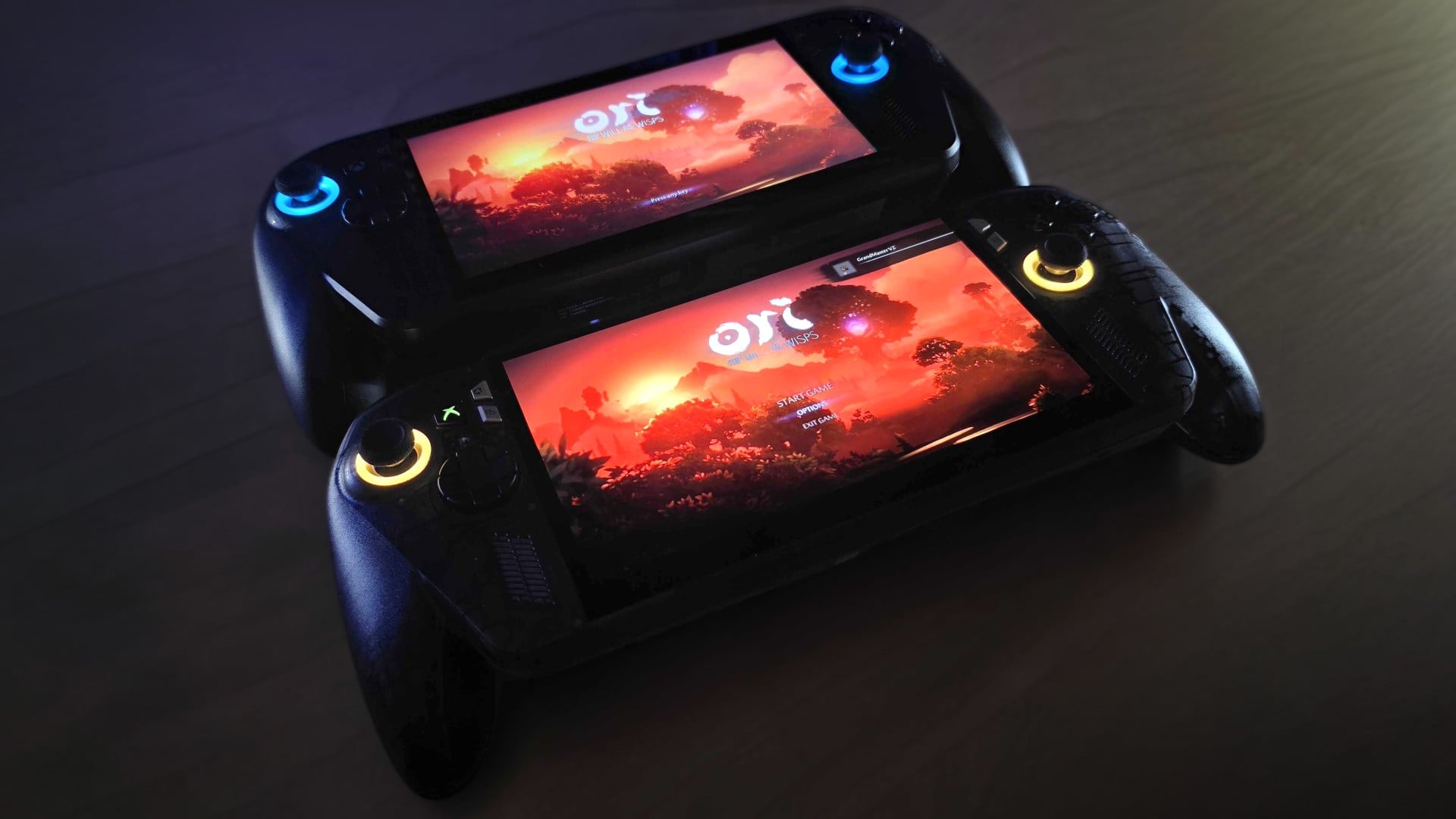
To describe the ROG Xbox Ally X20 in such terms alone diminishes the impact of the screen perhaps - it really is very good - but it remains an iterative upgrade that you're paying a lot more money to enjoy. After all, it's the same AMD Z2 Extreme processor, the same perfectly fine 24GB of LPDDR5 memory, the same 1TB SSD, the same 80Wh battery. In short, all of the things that made the original Ally X a superbly crafted, well-balanced handheld remain present and correct in the new model. There may well be more performant silicon out there but Arc G3 Extreme products seem to be around the same price or more - and all bar the rare OneXplayer 3 have IPS screens. Meanwhile, Strix Halo handhelds never made it to the mainstream and thanks to AI, boast "football to the groin"-level sticker prices.
Where things have shifted is in the accompanying software - not that you'll think that much has changed over the last year based on the first boot experience. An incredibly lengthy system update kicked off my testing, followed by the incongruous standard Windows 11 set-up. This was followed by the chastening experience of having to manually update the Asus Armory Crate, followed by the handheld's BIOS. No substantial improvements have been made to onboarding, further reinforcing the initial impression that this is more Windows PC than games console, while a unified updating process has still yet to arrive.
Also frustrating was how the handheld decided by default to turn itself off while downloading games, even when plugged in. To the best of my knowledge, there's no way to stop this behaviour within the Xbox shell - you have to drop back to Windows to stop it doing that. The clear lesson from the ROG Xbox Ally launch last year was that this didn't feel like an Xbox - or any kind of console experience - because too much of standard Windows intrudes and in that sense, it still feels offputting.
However, the Xbox app itself has improved significantly. It is undeniably faster and smoother, for starters. While adding other stores is hardly a seamless experience, at least they do sit within the Xbox experience better than they did. At launch, the ROG Xbox Ally X had an Xbox button conflict with Steam, for example, and thankfully this has been addressed. However, there's still the sense that Windows isn't exactly stable. Downloading Cyberpunk 2077 from Steam, booting the game then changing the settings saw the code crash and never boot again. Of course, I can fix this, just as I addressed the software problems last year by attaching mouse and keyboard and dipping into Windows proper to investigate - but the point is, I shouldn't have to. The urge to leave all of this behind in favour of SteamOS or another Linux alternative is all too tempting.
Elsewhere, other new software features have come into focus that look good and work well. Advanced Shader Delivery was essentially in early beta when I took a look at the Ally X last year. These days, it's an established staple that "just works" and is clearly a boon, ensuring that shader compilation stutter is far less of a problem. Microsoft is also keen on offering out-of-the-box settings selections for its titles, which I tried out with Gears of War: E-Day. HDR looked great at standard settings, but running with no frame-rate limit on the default configuration was a good-looking but inconsistent experience, with frame times that took us outside of the VRR window. A slight resolution reduction along with a switch to FSR along with frame generation added lag and extra Lumen noise but produced a better overall experience for the hardware - in my opinion at least. Plug and play though? No way.
All of which leaves me with the sense that one year on from the launch of the ROG Xbox Ally X, we've seen some improvements on the software side, but ultimately we're still little closer to anything that feels like a curated console experience. Meanwhile, owing to the stagnant nature of hardware development over the last 12 months, we're left with the X20 revision providing the exact same core specs as its predecessor. The saving grace is the tremendous display - but the massive price premium over the existing model really is difficult to swallow. The original ROG Xbox Ally X has risen in price in the UK compared to launch, but the current £400 delta between the two models (based on Currys Digital pricing) is certainly a quandary for the user.
The only counterpoint is that competing products are also very expensive - so I'd really like to put the time into testing the Intel Arc G3 Extreme to see just how much better the more recent silicon is. OLED display integration may be thin on the ground with products sporting the Intel chip, though the even more expensive OLED-equipped OneXplayer 3 certainly looks intriguing if we're moving into "money is no object" territory.
And until I look more closely at Intel-based alternatives, returning to the Ally does remind me that if you can accept that this remains a portable PC and not a dedicated console handheld, and it still delivers a good experience - one that is further enhanced via its beautiful display.


Comments 0
Wow, no comments yet... why not be the first?
Leave A Comment
Hold on there, you need to login to post a comment...