
 by
by Nvidia may not be announcing its next-generation desktop graphics cards any time soon, but convincing leaks over the past few days suggest that new hardware is still very much on the way. Images have surfaced on a Chinese equivalent to Facebook Marketplace, Goofish, showing an engineering motherboard thought to be the basis of a high-end laptop design that could offer an alternative to the traditional x86 processors found in most Windows laptops and PCs.
The photos show a laptop-shaped motherboard with a Nvidia-branded chip in the centre, flanked by an impressive 128GB of shared LPDDR5X memory. Even last year that would be much more RAM than you'd expect on even a high-end professional laptop, and the recent AI-driven price surges makes the total even more astonishing. Of course, it suggests a focus on local AI and/or content creation workloads.
The leak lines up with Nvidia's acknowledgement earlier this year that it was working with MediaTek on a low-power but high-performance ARM chipset, which comes in N1 and faster N1X varieties. The processor appears to be derived from Nvidia's DGX Spark system, which is an extremely powerful £4000 AI-focused mini PC, with rumours suggesting a heterogeneous "big-little" architecture with 10 performance cores and 10 efficiency cores in the full-fat N1X.
Would you buy a Nvidia ARM laptop running Windows? (282 votes)
- Yes
- Maybe
- No
The SoC's graphics capabilities look robust as well, with a a reported 6144 CUDA cores based on the most recent Blackwell architecture that powers RTX 50-series graphics cards. On paper, that would put the laptop in roughly the same performance ballpark as the RTX 5070 desktop GPU, though memory bandwidth, power delivery and thermals mean that outright performance is likely to be significantly lower.
With 128GB of memory shared between processor and graphics, the laptop wouldn't run into the VRAM limitations commonly suffered by lower-end Nvidia laptop GPUs with 8GB frame buffers, though of course the memory here isn't as fast as the GDDR7 memory used by dedicated graphics cards.
Windows on ARM has historically been sub-par when it comes to performance and software compatibility, but the new Nvidia chip could go some way towards solving both issues. The Nvidia driver stack is extremely mature on Windows, and the amount of GPU horsepower here could make it possible to brute-force beyond the limitations of other ARM-based Windows laptops. Against the likes of AMD and Intel, the chances are it'll be the CPU side of the equation where Nvidia may face problems: games will need to use the Prism translation layer.
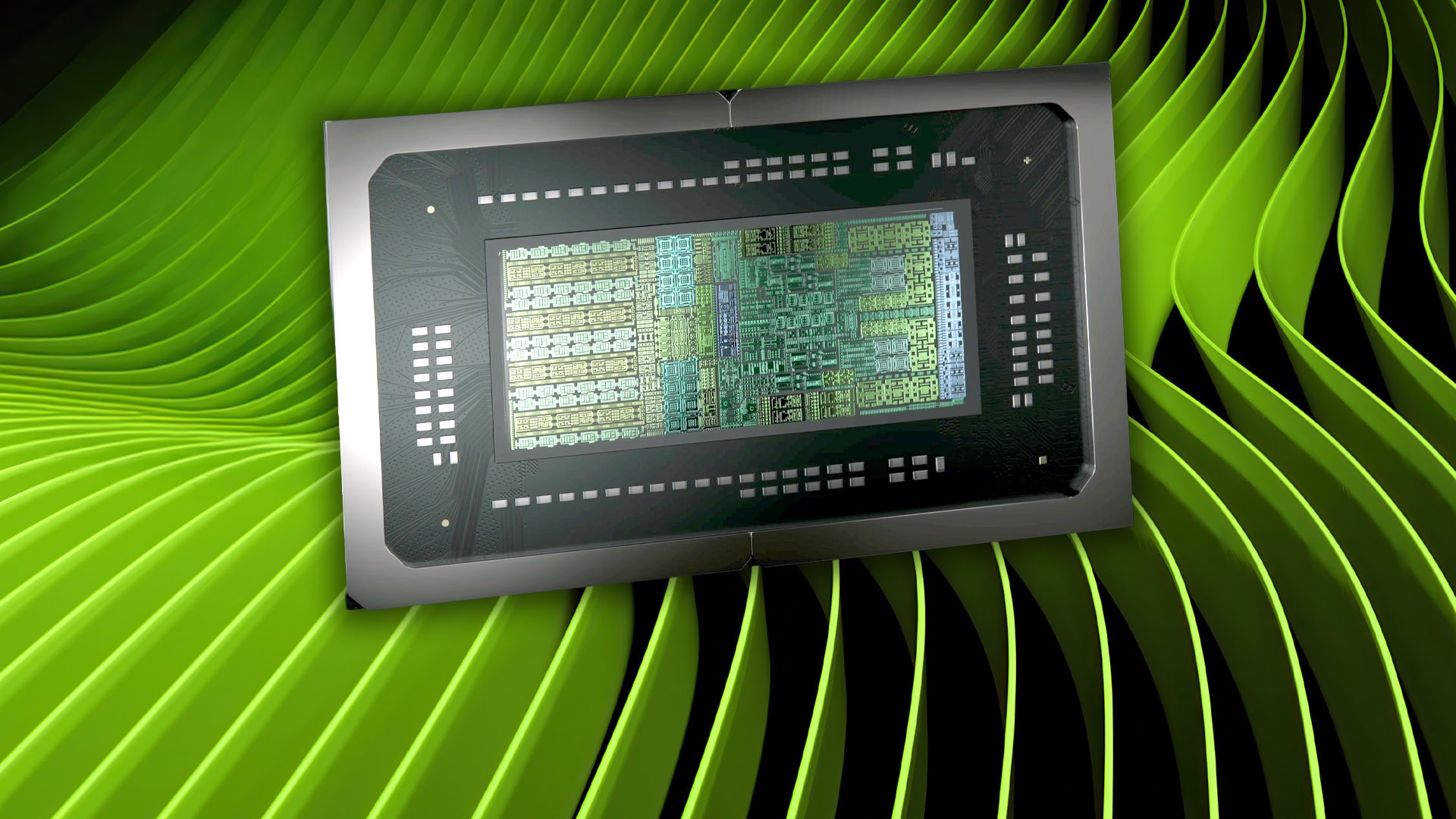
As well as high-end AI/creator laptops, the same architecture could also see use in other guises. For example, it's easy to imagine a series of powerful Nvidia-based handheld gaming machines a la the Steam Deck or ROG Ally, while Valve or its partners might consider using the silicon for the Steam Machine, a living room PC running Steam OS. It would also be incredible to see even a heavily cut-back version for Nvidia's Shield series of media boxes, which last saw a significant hardware update all the way back in 2019 (!).
Nvidia is sure to benefit from the work done by early Windows-on-ARM adopters like Qualcomm and AMD, as the experience of using and especially gaming on ARM-based Windows PCs has improved significantly over the past few years. Many games flat-out refused to run on ARM, but translation layers and a sprinkling of developer support has made the platform more welcoming than it once was. Again, Nvidia's driver expertise and resource wealth could allow them to push the platform even further.
Nvidia is expected to reveal the platform in an official announcement at Computex in early June, so it shouldn't be long before we have an idea of final retail configurations and launch timelines. It's fascinating to consider just what might be possible here, and how the industry as a whole will react to the emergence of a powerful new player in the laptop market - especially if rumours of the AI/graphics firm acquiring an American PC manufacturer are true.
[source videocardz.com]


Comments 4
I am currently running a local AI/LLM on a Strix Halo mini PC, it would be interesting to see how this compares, especially going forward when I want to add more capabilities, I wonder if this will similarly end up in mini PCs.
A new laptop is not on my to buy list. But, I'm definitely interested in discovering the impact Nvidia would make by entering the ARM on Windows market. Will it deliver what Apple did by ditching Intel based x86 chips for their in house M series ones? I hope so. I believe it would benefit the newer gaming handhelds' generations, as well.
Damn I'd kill for an updated Nvidia Shield. I hear the 2019 one is still good and getting updates but it's a hard mental barrier to spend so much on such an old product. There's no way it's as expensive to make as it's priced now but who knows.
Definitely interested at the thought of them more seriously entering the PC handheld or console space: AMD has lacked competition there for too long and that's led to diminishing returns and short shelf-lives for the devices (whereas Switch 2 with DLSS can punch above it's weight).
Show Comments
Leave A Comment
Hold on there, you need to login to post a comment...