
 by
This week on DF Direct, we discussed Jensen Huang's abrupt departure from Nvidia; the confirmation that GTA 6 would be "target" 30fps even on PS5 Pro; and also be playable via Xbox Cloud Gaming on Xbox One. We've already discussed most of these stories at length - and the full video is available above - so I thought I would instead tackle the last topic in the show: comments by a former Tekken executive that Xbox Series S is a "slightly weaker child" that requires "extra work".
I'm aware that the remarks by former Tekken producer (and current SNK VS Studio CEO) Katsuhiro Harada were seemingly made in jest, to tease a friend from Microsoft, but as a former sickly child who needed extra attention, the characterisation does rankle somewhat.
Beyond the language used, it is interesting to examine the legacy of the Series S as we approach the end of the current console generation - will it be remembered as the machine that poisoned the well of Xbox development, due to its challenging memory limitations and downsized GPU? Or is it a vital stepping stone that minimised the work required for developers to successfully target other resource-lean systems like the Steam Deck and the Switch 2?

I'd like to lay out the case for the latter. The Series S may be a pain to develop for, requiring extra development resources and a more scalable design, but that work unlocks far more than just Series S compatibility - it can improve performance on PS5 and Series X, it allows for easier ports to low-spec PCs, including handhelds, and recently we've seen developers target Switch 2 with many of the same optimisations.
It's easy to see the parallels with accessibility requirements outside of video games - by mandating dropped kerbs for wheelchair users to cross a road, for example, you also aid those with other mobility difficulties, parents with strollers and travellers with luggage. Captions help the hard of hearing, but are also incredible for language learners or people watching videos in public places. It's much the same here, with development resources earmarked for achieving parity on Series S having knock-on benefits far beyond a single system.
The Steam Deck was still more than a year away when the PS5 and Series X launched, but the optimisation work required for Series S meant that developers had a lower baseline to work from when targeting a mainstream PC release. It's a similar story for Switch 2, which has seen a huge raft of Series S titles adapted, often with similar cutbacks - although most of the best attempts also leverage Switch 2's unique advantages, like DLSS. Series S has also served as the backbone of Microsoft's cloud gaming efforts, with Series S code running on Series X blades, given its lower power requirements. It's the Series S version of GTA 6 that will be served to users on Xbox One, for example.
Beyond helping optimisation efforts more generally, Series S is still the most affordable way to access current-gen games, with its full-fat CPU and storage in particular allowing a noticeable improvement in game scale, loading times and responsiveness versus the Xbox One generation. And that parity mandate from Microsoft means that these Series S versions are perfectly enjoyable, without major compromises - with only a handful of titles, like Lords of the Fallen, being the exceptions that prove the rule.
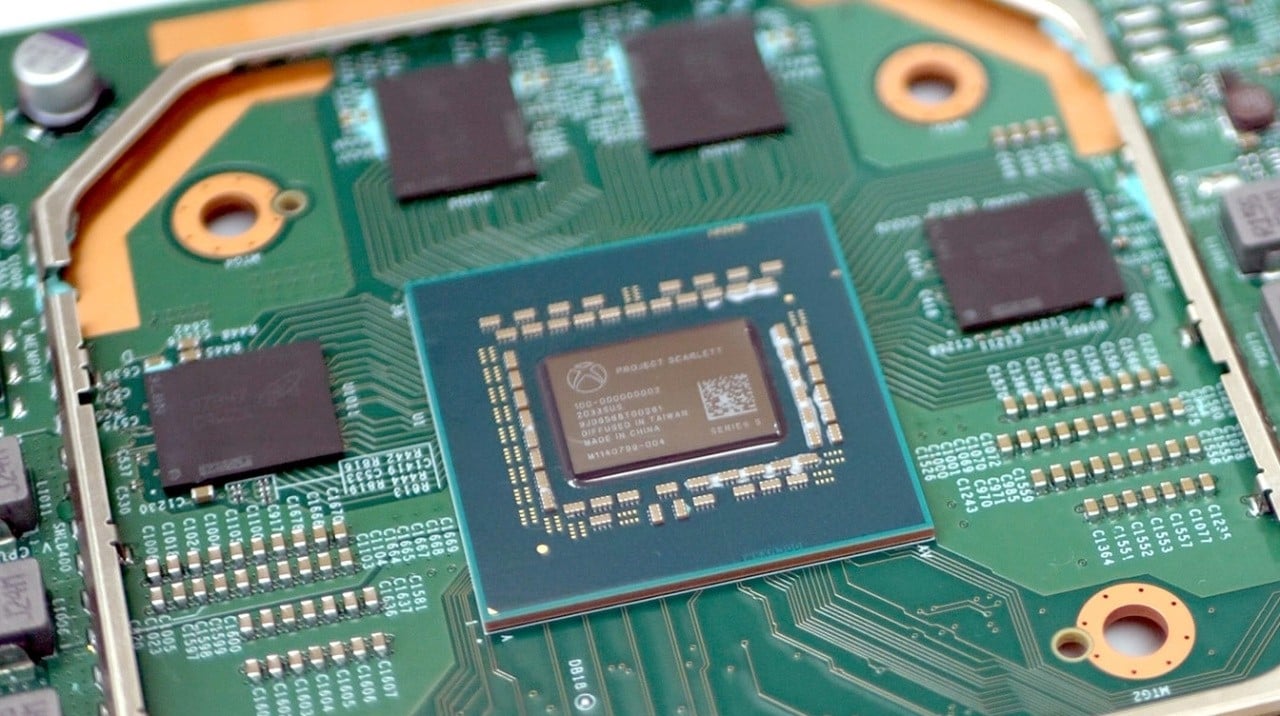
That said, the Series S design is not immune to criticism. The cut-back memory allocation and bandwidth in particular have required more careful optimisation than the graphics compromises, for instance, and might have been done differently if Microsoft had the chance to wind back the clock. Baldur's Gate 3 is a famous public example of developers finding it difficult to achieve parity on Series S, delaying the Xbox release while working on split-screen performance, and I'm sure plenty more struggles were had behind closed doors - difficulties that have an outsized impact on smaller indie studios.
The AI-fuelled components cost crisis has also done a number on the system's whole reason for being. What was initially a bargain system - that Rich once bought used on Facebook Marketplace for £65 (!) - has become increasingly unaffordable for Microsoft to produce and for gamers to buy. It currently retails for £430, a 72 percent increase over its £249.99 launch price. You'd have to say that Sony's prescient decision to launch a full-fat console sans disc drive for £110 more has aged better. It'll be fascinating to see the difference in graphics and/or performance between PS5 and Series S in Grand Theft Auto 6 when that launches later this week, for example.
Ultimately, the Series S is far from the most desirable console to own, but it's served an important purpose in ensuring that developers need to hit a certain standard of efficiency. Much as modern societies generally agree that accessibility requirements are worth the extra cost and time they require to implement, those Series S versions are establishing an important baseline that goes on to help a wider audience. Designing for those with less shouldn't be seen as a compromise, when it so often turns out to help everyone.