
 by
by 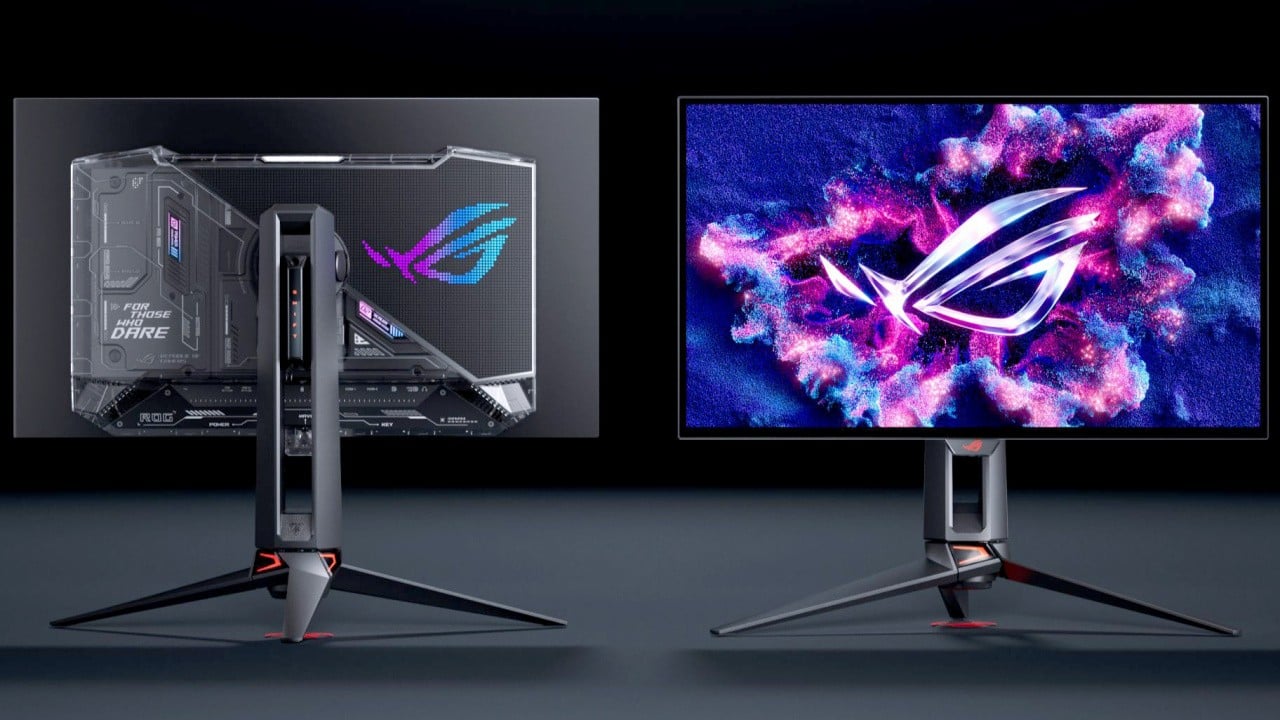
The run-up to Computex has produced a series of exciting headlines for monitor nerds, with Samsung unveiling the first 6K gaming monitor and LG following it up with the first 1080p 1000Hz model. Now it's time for OLEDs to take centre stage, with each of these Korean giants announcing its own news in the same 24-hour period. LG may have finally solved text rendering on OLED panels, while Samsung has pushed 4K OLEDs to new refresh rate heights.
First, the LG Display news. You may have heard that OLED monitors don't always do a great job of rendering text or other fine detail, with coloured fringing sometimes visible. This is down to the subpixel arrangement used on different panels, with most QD-OLED monitors using red, green and blue subpixels in a triangular shape. This arrangement makes producing the panel easier, with less risk of subpixels bleeding in to one another, and allows for faster-degrading blue subpixels to be made physically bigger to compensate.
W-OLEDs also have their own standard, RWBG, with a white pixel used to boost brightness, but this again messes with text rendering when Windows expects a traditional RGB stripe instead. Successive OLED panel generations have improved text rendering to a point where it's not a huge deal-breaker, but LCD monitors still hold the advantage in text clarity.
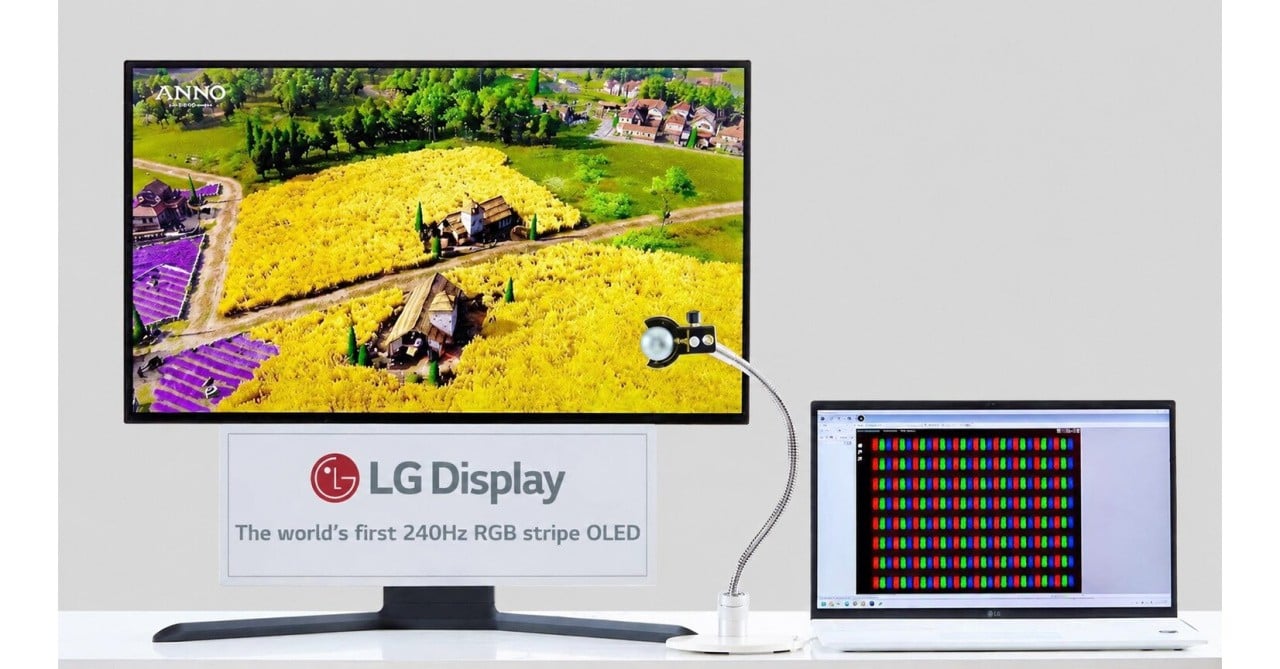
LG's innovation is bringing back the RGB stripe used in almost all LCD monitors but pairing with a high-res, high-refresh display - after previously only being able to make this new panel for lower-res 60Hz displays. The key is maximising the "aperture ratio", or the proportion of the pixel area that actually emits light, as boosting this counteracts the removal of the white subpixel.
LG first announced its plans in December 2025, with today's news marking the mass production of its 27-inch 4K 240Hz model, with different screen sizes to come later. The monitor also features a dual mode feature, giving you the alternative option of a 1080p 480Hz output for faster-paced games.
LG's consumer electronics division and its partners can therefore be expected to release the first models featuring the new panel tech in around three month's time, though only the Asus ROG Swift PG27UCWM (pictured at the top of this article) has thus-far been announced.
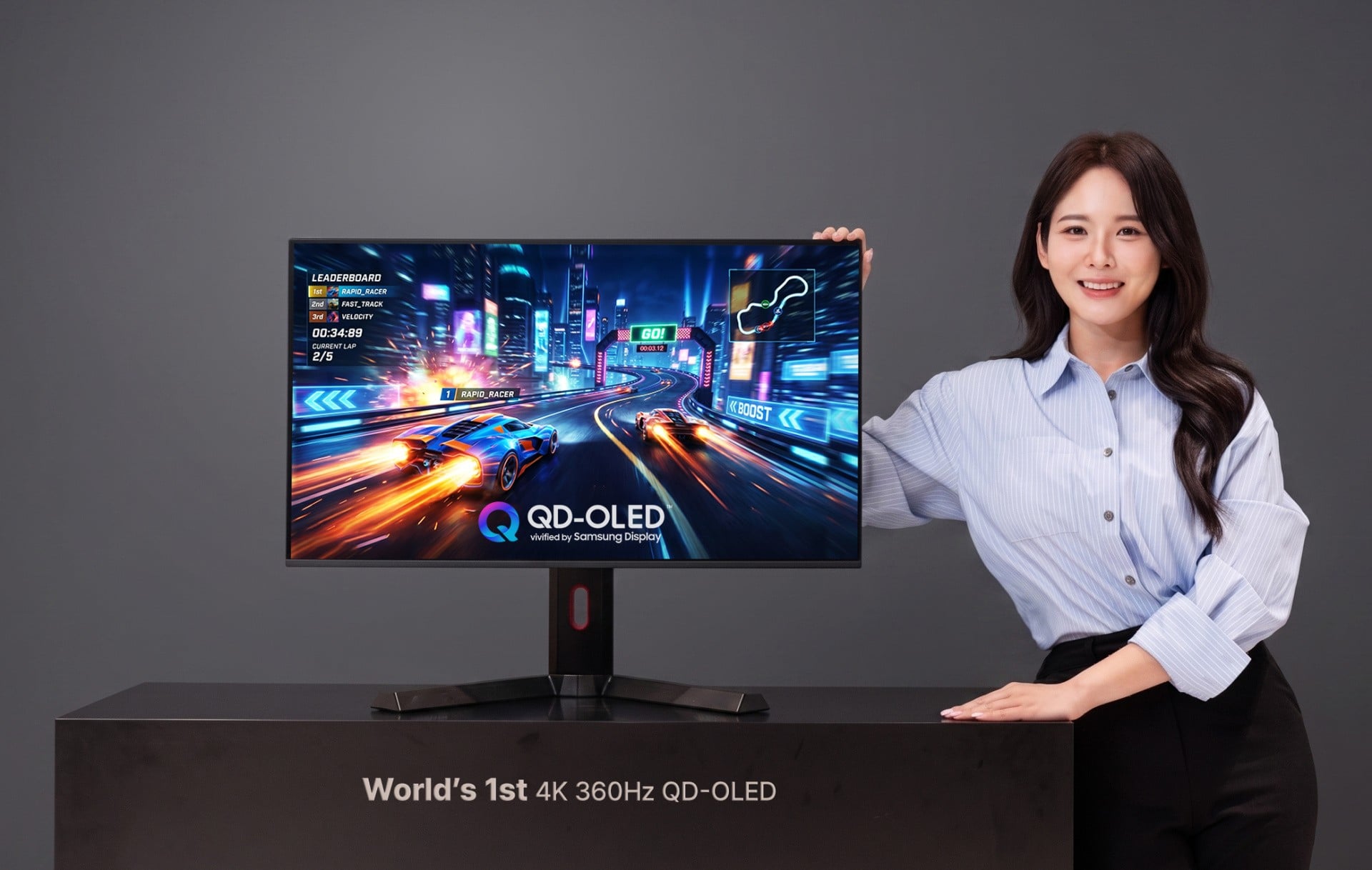
Now, onto the Samsung Display news. This is a little easier to explain: they are the first to create a 4K 360Hz QD-OLED, following on from the 4K 240Hz QD-OLED monitors that have been available for the past two years. This combination marries the best resolution for content creation with an esports-friendly refresh rate, while a new v-stripe subpixel arrangement also improves text clarity (but probably not to the same extent as the LG monitor's RGB stripe).
The difficulty here is the sheer amount of data that needs to be processed by the monitor and sent to the PC, so previously 4K models were 240Hz or lower, and 360Hz models were 1440p or lower. Combining the two required optimisation of "the panel circuitry and driving system", especially as the monitor also supports a dual mode at 1080p 680Hz (!). The model should also be around 100 nits brighter than brightest OLEDs in this category, with a DisplayHDR True Black 600 (600+ nit) certification.
The new 32-inch model will be fully unveiled at Computex next week, with "more than 10 global customers" (ie the likes of Asus, MSI, Dell, Gigabyte and Samsung's technically separate consumer electronics division). Again, I'd say it's likely that the panel will find its way into shipping monitors before the end of the year - though they're also likely to be extremely expensive based on the level of tech within.
So which monitor would you choose if you were looking for an upgrade? Does text clarity or motion clarity matter more to you? Let me know in the comments below.