
 by
by 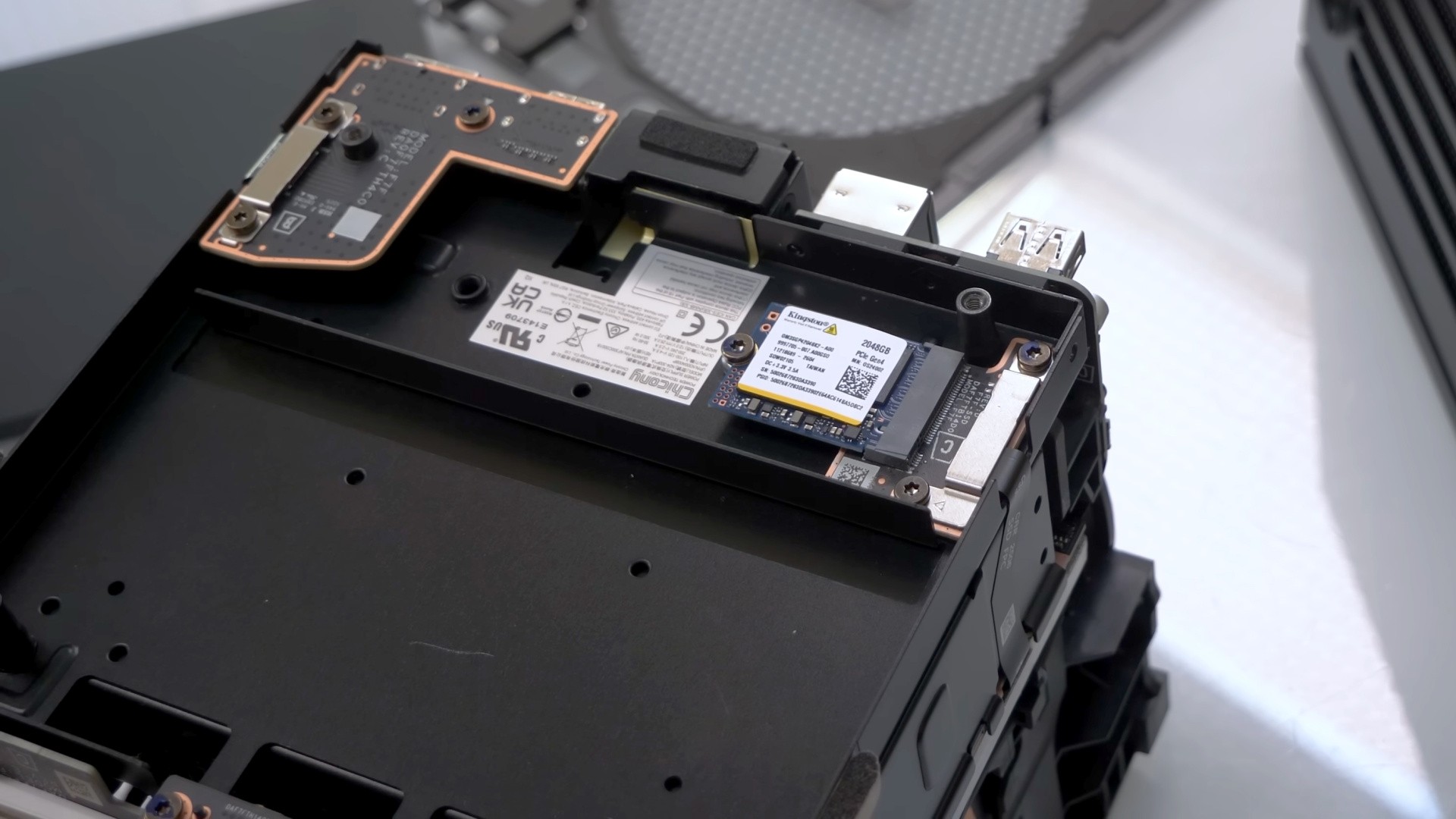
Valve's Steam Machine is available for pre-order, and based on our testing it's a well-designed system supported by an excellent OS - though its price is significantly higher than even PS5 Pro while providing less raw performance. The reason for that price point largely comes down to the huge rise in the cost of RAM and SSDs over the past nine months, so why didn't Valve make a "barebones" model with both RAM and SSD slots left empty for a bargain basement price?
Talking to Valve engineers Pierre-Loup Griffais and Yazan Aldehayyat, the answer came down to the fact that selling a barebones model isn't as simple as just leaving out the RAM and SSD and lowering the price. Here's Aldehayyat:
"We spent a lot of time thinking about [offering a barebones model]... To sell a barebones kit, we would have to change how it's assembled and tested... You basically have to build the whole thing to be able to test it, and then you have to take it apart, and then we have to figure out a way to ship it in this disassembled form so that it doesn't get damaged in shipping - or if you put it back together, then the customer has to take it apart again."
Would you buy a barebones Steam Machine that was cheaper, but you had to source and install RAM/SSD yourself? (525 votes)
- Yes
- No
And that disassembly process isn't particularly quick or easy. Aldehayyat says that it's easier than the Steam Deck, but it's "definitely more difficult" than building a standard full-size desktop PC. "The more compact you make something, the harder it becomes to take apart." Getting to the SSD slot was always intended, so that is relatively easy to access, but the SODIMM slots are much further in. That's also the reason why we didn't test single SODIMM vs dual SODIMM performance in the limited time we had our review unit.
Ultimately, that fiddliness lead Valve to drop the barebones concept. "Unfortunately, we just didn't see a viable way for us to do that, at least not a way that the mainstream consumer is able to do", Aldehayyat told us. Griffais added that "the idea came a little too late in the development process for it to work out, because we had ruled it out super early - it was only the memory situation that made us think about it."
And does that mean the barebones concept is dead and buried? Not quite. Here's Aldehayyat again:
"Maybe in the future we can come up with a solution that makes sense, or partner with somebody to kind of sell parts and stuff like that. Right now, we just don't have a solution, and we don't expect to have a solution."
I'd still love to see a barebones Steam Machine in the future, but it doesn't sound like things will change any time soon. What do you think - is there an avenue that Valve is missing? Or do the company's DIY efforts for SteamOS mean that a barebones GabeCube is ultimately unnecessary? Let me know in the comments below.