
 by
by 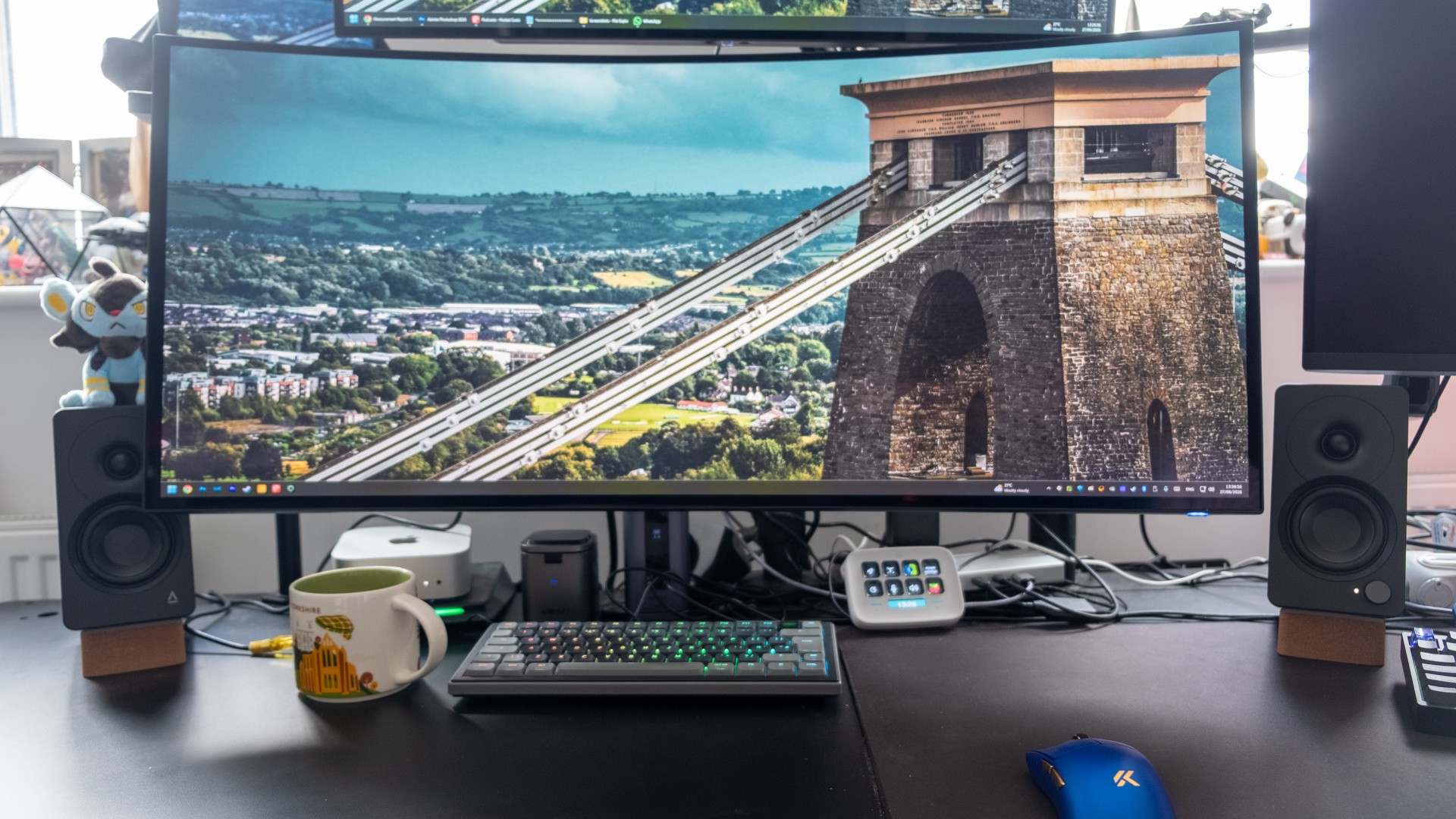
The last speakers I reviewed here at Digital Foundry were absolute monsters. The Edifier R2750DB MK2 sounded great for £300, but they took up a mammoth amount of desk space, rendering them incompatible with the ultrawide monitor I've been testing this month. I was therefore relieved to receive Creative's XF1 speakers for review, which promise many of the same features and room-filling sound in a positively diminutive 10x19cm footprint. Best of all, Creative's latest active speakers cost £180/$180, a reasonable price for the audio upgrade they provide.
The XF1s make pleasant listening companions, but they have some measure of appeal even before you turn them on. The boxy design rendered in black or white has some nice details, like a gently inscribed ring around the three-inch woofer and softened corners, while the cork stands included in the box point the speakers' output 15 degrees closer to your ears while adding a touch of agreeable organic matter.
Unlike the Edifier MR5s I recommended for Eurogamer, the front face is much less busy - so no convenient 3.5mm jack, just a solitary multifunction dial with accompanying coloured LED. Press it once to switch between modes, spin to adjust the volume, and turn the speaker over to access other controls. There's a convenient energy saving switch to disable otherwise mandatory auto-sleep in Europe, a pairing button to get Bluetooth set up and your quartet of ports: aux in, sub out, USB-C out, left speaker out and power in. There's no eARC or HDMI, so this makes more sense for PC use than a TV-based setup.
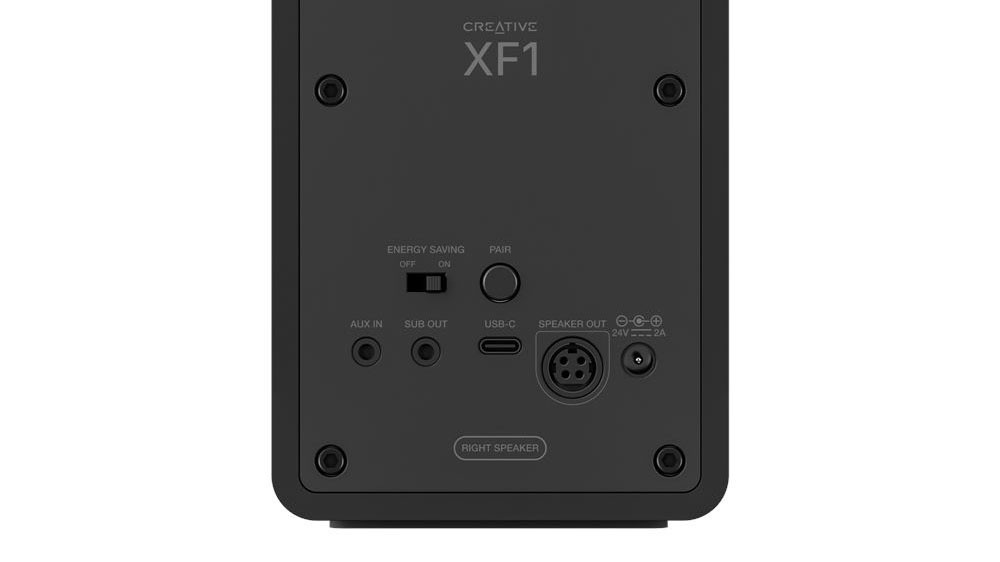
Note that I used the speakers in USB-C wired mode for 99 percent of my testing, beyond simple confirmations that the aux and Bluetooth 6.0 modes work as advertised. High-res audio is supported via Bluetooth (LDAC) or USB-C, though this is mostly useful for Tidal and rarely relevant for PC gaming.
The sound quality here is strong, both for the money and for the size. You're always going to be limited by how much air you can push with boxes of this size and just 72W of power, but Creative has done well here to ensure the speakers get loud enough to fill a typical home office or bedroom without distortion. Treble comes across well via the three-quarter inch tweeters, with a good amount of warmth, while mids are nicely detailed and not too prominent - ie they're not so strongly tuned for gaming at the expense of critical listening. Bass is controlled and present, but not bombastic - you'd definitely want to use the sub out port if you want lower-end music and cinematic moments in games or film to hit hard, but the default tuning makes the most of what's possible here.
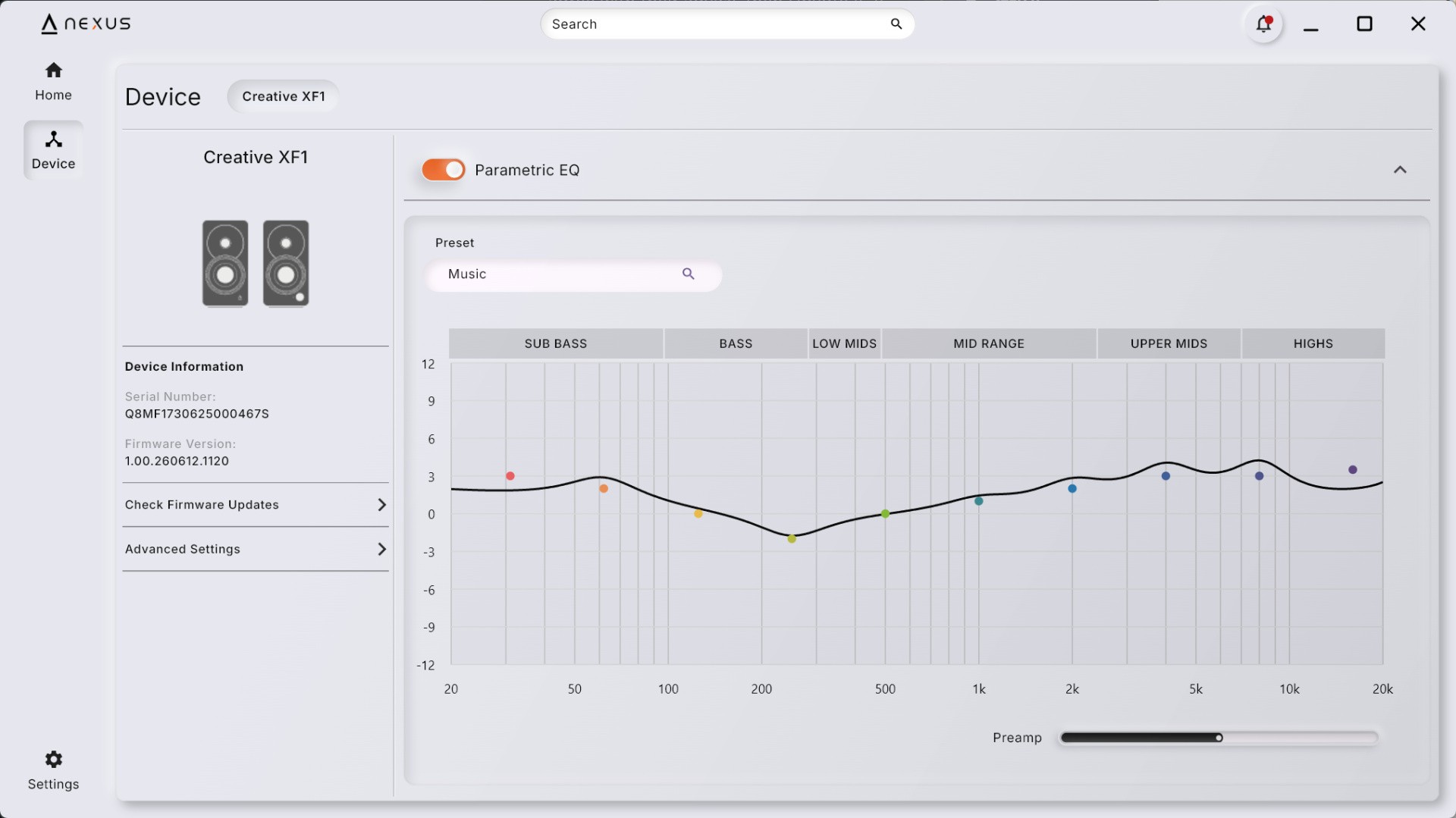
If you want to adjust that sound signature, the Creative Nexus app is available with a 10-band parametric EQ and more than 120 presets; I've shown the PC app here, but it's also available for Android, iOS and macOS. It's very barebones at present, but it does what it says on the tin: tweak EQs, select presets and install firmware updates.
If you want to get a big audio upgrade that doesn't take up much desk space or require any other equipment like an AMP/DAC, the Creative XF1 is a great option: easy to use, capable and surprisingly powerful. Creative's Pebble Nova at around £200/$240 is the better speaker overall, with more bass and a more eye-catching design, but I wouldn't begrudge anyone who decides to save $60 and go with the XF1's more approachable façade.
Other alternatives? Have a look at Edifier's M60 at a similar £160/$200 or the slightly nicer MR4.5 at a similar £200/$250. For less money? Creative's T100 are a little long in the tooth, but could work too if you prefer a taller design and don't need the latest and greatest in wireless/hi-res tech - and they're £100/$180.