
 by
by 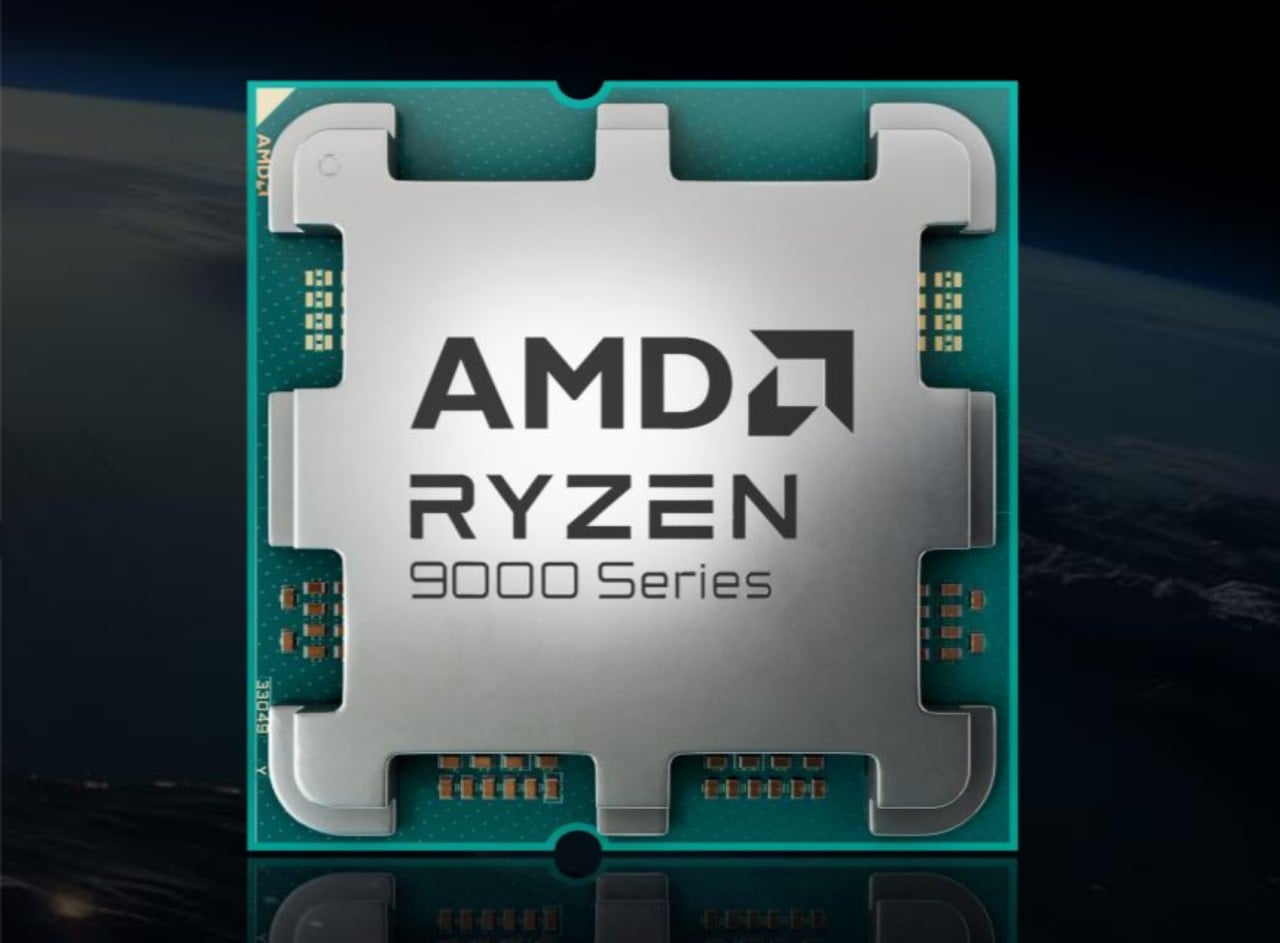
Like many other CES-timed announcements this week, AMD's opening night address at CES 2026 revolved largely around on-device AI capabilities and new products focused on that sector. Yet on the brute-force rendering side of things, AMD took the opportunity to further cement its claim to the fastest and most easily recommended consumer-grade gaming CPU.
This comes in the form of the Ryzen 7 9850X3D, launching in "Q1 2026" at a still-unnamed MSRP, which applies small efficiencies to November 2024's already-scorching Ryzen 7 9800X3D. The same 120W TDP and 96MB L3 cache, and the same Zen 5 allotment of 8 cores and 16 threads, are now clocked to a maximum 5.6GHz boost clock - a 400MHz jump, or roughly 7.7 percent.
Without a substantial jump beyond Zen 5 architecture, we know the Ryzen 7 9000 series can only be pushed so far - though we do find AMD's suggestion of a "2-3 percent" jump in performance from the 9800X3D so scant that it borders on margin-of-error territory. AMD did not take the opportunity to announce any other Ryzen CPU products nor any new Radeon RDNA 4 GPUs.
And its CES-timed messaging about FSR 4 Redstone is little more than a recap of the technologies that have launched so far - with zero firm details about when to expect wider rollouts of its Radiance Caching or Ray Regeneration features, nor any updates about the frame-pacing issues that currently plague its Frame Generation implementation.
AMD's other CES-timed announcements, unsurprisingly, revolved around the Ryzen AI line of APUs for both laptops and desktops. The newly announced Ryzen AI 400 series, built around Zen 5 architecture, is a portable-minded chipset with "optimised low-power architecture." It features dedicated silicon for its "XDNA 2" Neural Processing Unit (NPU), along with a slight graphics-basis downgrade to what AMD has described as RDNA 3.5 GPU cores.
Its new desktop-minded Ryzen AI Max+ series, meanwhile, targets smaller-sized desktop chasses with a more demanding APU that has more compute units than the AI 400 line - though those CUs are still limited to RDNA 3.5 architecture.


Comments 4
I know we are a greedy lot, expecting cool new products and double digits improvements YoY, but AMD's announcements feels a bit nothing burger:
9850X3D: the world's greatest gaming CPU, now with 2-3% extra greatness.... and presumably a more than 2-3% price tag jump
the Ryzen AI 400 lineup; potential for good products in the prebuilt, and Mini-PC space, but the fact you have to get the top dawg 12 core chip to get the full 16CUs... and RAM right meow, eeeek! And the answer is in the name, right? Very spendy AI workstations...
Weirdly, the most exciting for me is the AI Max+ 388, since this feels like it has the potential to be a better product for low power handheld/laptop gaming than the current Strix Halo halo products. Even that is still tempered by the fact we are getting another year of RDNA3.5+++++++ while they apparently sit on RDNA4... never miss an opportunity to miss an opportunity, AMD!
Each person's situation is unique of course but in my case I have my main system set up in the living room where I game at 4K on an LG C1 OLED. That panel has a 120Hz upper limit meaning my modest 14600K at stock clocks is more than capable of supporting my 5080. My point being that my panel, not my PC is the limiting factor there and I can only imagine that goes for the vast majority of gamers out there unless you're e-sports oriented and need blistering fps on an extreme refresh rate 1080p panel. So I wonder if a faster version of the 9800X3D is even needed at this point in time?
I have 9800x3d and zero FOMO here.
@Spodlude I agree, especially as most 9800X3D chips already overclock pretty well, though admittedly they will run hotter than a 9850X3D. When I overclocked mine I barely noticed any difference even with 400Mhz extra on the boost, not noticeable during gameplay and it was running much hotter, in the 80s high 50s when playing CP2077 so I just set it all back to stock. I am certainly not paying any more for a 1-2% performance gain.
Show Comments
Leave A Comment
Hold on there, you need to login to post a comment...