
 by
by 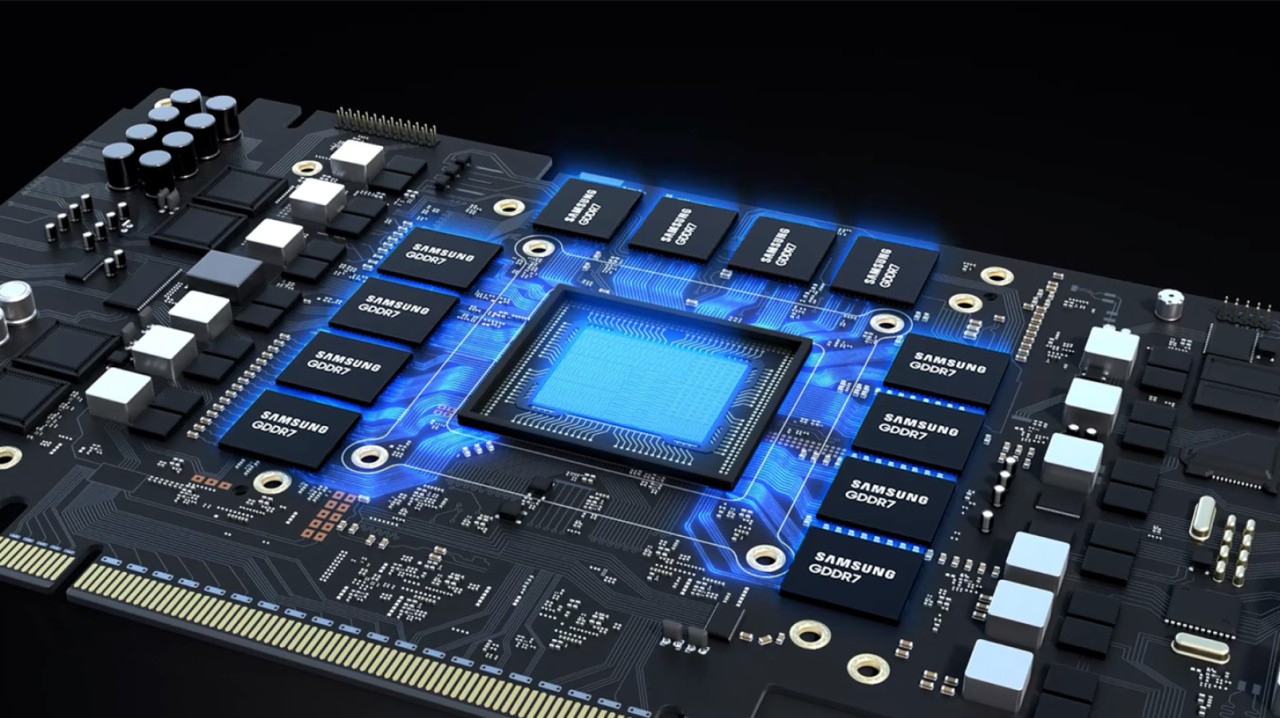
The RTX 5070 is one of my go-to recommendations for gaming laptops, as it's the most affordable Nvidia laptop GPU that is able to hit a decent level of performance and make good use of 50-series features like multi frame generation. However, the design has been held back by its limited frame buffer, which is 8GB on existing models - despite the desktop part offering a slightly more reasonable 12GB allocation. That's now changing, as Nvidia is launching a new RTX 5070 laptop variant with 12GB of VRAM, putting the mobile version more in line with the more powerful desktop part.
It's rare to see companies announcing models with more VRAM these days, given the current AI-driven flash memory pricing surge which affects VRAM, as well as RAM, SSDs and memory cards, but Nvidia claims that the move is due to exactly these factors.
The Nvidia blog post states that demand for these particular laptop GPUs continues to outstrip supply, so the new version is more about allowing them to be built using different memory parts, specifically 3GB GDDR7 dies rather than 2GB dies. By giving their partners "access to an additional pool of memory", more RTX 5070 laptop GPUs can be produced, though this must necessarily come at the expense of other GPUs that use the same supply.
What's the minimum VRAM size you'd consider for your next GPU? (126 votes)
- 8GB
- 12GB
- 16GB
- 24GB or higher
I'm sure that the manufacturing reasoning is true enough, but it's also true that 8GB graphics cards are being increasingly exposed in modern games and pretty much everyone is involved in finding alternatives, whether that's developers modifying game designs or optimising memory usage on Linux and Windows. Having 12GB of VRAM hardly means you're future-proof, but it's at least a meaningful improvement over the current 8GB milieu.
Nvidia says that the new 12GB variant of the RTX 5070 will "exist alongside the current 8GB configuration" and allow laptop makers to "bring a broader range of GeForce RTX 5070 laptops to consumers." Add on one more thing that you've got to check when making a laptop purchase. Thankfully, the VRAM change is the only difference here; there's not a change to the GPU die used, CUDA cores, bus width or other specs.
What do you make of the news? And what VRAM size is your minimum going forward? Let us know in the poll above and comments below.