
 by
by Sometimes we like to run polls on our YouTube channel, whether that's asking our viewers whether they'd pay $699 or more for a PS6 or whether they managed to buy a Steam Controller. As well as giving us good background information, it's also a great way to help us make tricky decisions.
When we asked our viewers whether their AMD Ryzen PC was powered by a Ryzen 3000, 5000, 7000 or 9000 part, it wasn't just out of idle interest - it was also to judge whether or not it was time to retire the venerable Ryzen 5 3600 from the "mainstream" configuration that we use for testing PC games on lower-end hardware. After just over 27,000 votes over an eight day period, we've got a pretty clear answer.
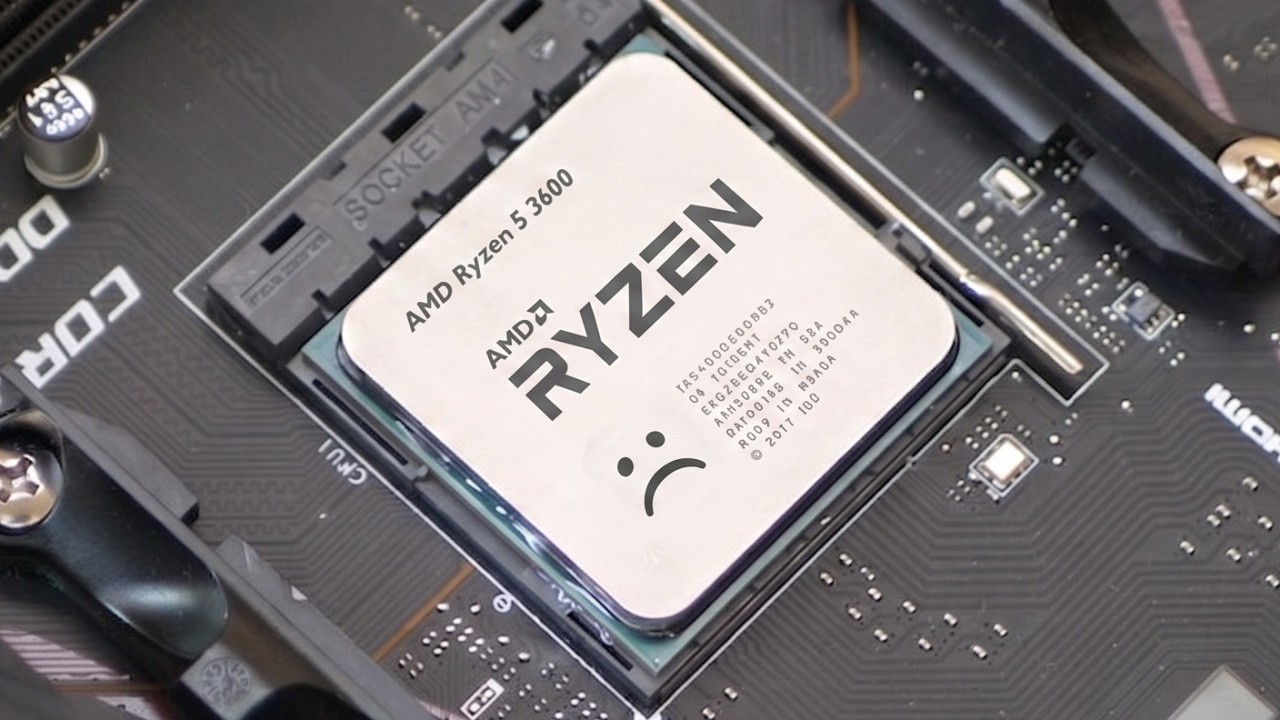
As the title to this article indeed spoils, only a fraction of our audience is still rocking a Ryzen 1000, 2000 or 3000 PC. Just 10 percent of respondents chose that option, despite new Zen, Zen+ and Zen-2-based chips having been released from 2017 to 2020. Quite a few people in the comments mentioned the 3600 by name, which isn't too surprising as it was the stand-out value option for years.
What desktop AMD Ryzen CPU do you use? (1,294 votes)
- AMD Ryzen 9000-series X3D
- AMD Ryzen 9000-series non-X3D
- AMD Ryzen 7000-series X3D
- AMD Ryzen 7000-series non-X3D
- AMD Ryzen 5000-series X3D
- AMD Ryzen 5000-series non-X3D
- AMD Ryzen 3000-series
- AMD Ryzen 2000-series
- AMD Ryzen 1000-series
Skipping over the little-used Ryzen 4000 desktop CPUs, AMD's Ryzen 5000 chips arrived in 2020 and proved to be the ultimate form of the AM4 platform with new releases into 2024. Multi-core and particularly single-core speeds increased substantially with Zen 3 over earlier architectures, while the introduction of the 5800X3D (and later 5600X3D and 5700X3D) unlocked a rich new seam of gaming performance by incorporating a huge vertically-stacked L3 cache.
It's not shocking to see that the largest percentage of respondents are therefore sporting a Ryzen 5000 chip in their desktops, totalling 38 percent of respondents. The 5700X3D and 5800X3D chips were specifically called out by many, as they minimise the gap to next-gen CPUs while still being compatible with cheaper DDR4 RAM and AM4 motherboards. We'll probably go with the weaker 5600X for our mainstream PC going forward, to ensure that we better capture likely performance for those not on X3D chips, but it's good to know that the X3D supremacy is alive and well here.
A pretty good proportion of respondents are also equipped with newer Ryzen 7000 (27 percent) and Ryzen 9000 chips (26 percent), totalling 53 percent of respondents in total. There's a relatively narrow performance gap between Zen 4 and Zen 5, prices are similar and X3D chips are available for both camps, so an even split is reasonable. Ryzen 7000 generally offers slightly better value, but either can make sense depending on local pricing and both are well beyond their initial launch (2022 for Ryzen 7000, 2024 for Ryzen 9000).
Nowadays, the bigger challenge is finding reasonably priced DDR5, and I dare say we'll see the proportion of AM5 versus AM4 owners stay level or even shrink if the current AI-fuelled RAM pricing surge continues into 2027.
What Ryzen CPU are you using on your desktop PC? Let me know in the comments below and/or vote in the poll embedded above.